

I’ve followed, with trepidation, disappointment—but not surprise—the ongoing overhaul of CBS News since the 2025 merger between Paramount and Skydance Media. For entirely selfish reasons, I’m especially concerned about what it all means for my love affair with 60 Minutes. As if on cue, the show demonstrated again this past weekend why it has been such an irreplaceable part of the media landscape and our national conversation since its debut in 1968.
I was a total news nerd growing up. In hindsight—by personality and temperament and family ties to the profession—I was an easy mark.
My grandfather on my dad’s side was a reporter and editor during the 1940s for Life Magazine, where he wrote profiles of military legends like General George S. Patton, spent time in the Pacific theater covering the air war against Japan and reported, wrote and edited stories on national politics and general assignment news, stateside.
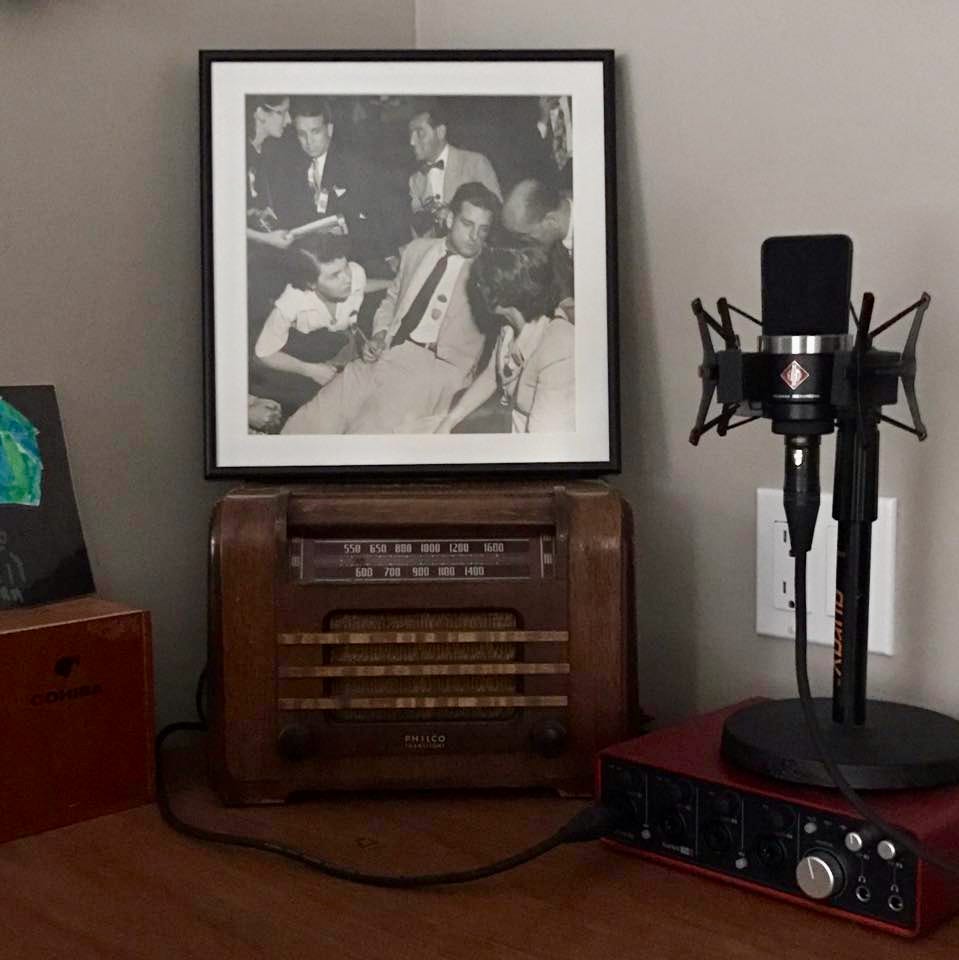
My mother freelanced for the New York Times. It was through my uncle, her brother, that I first came to see that storytelling and journalism could be a worthy calling.
My awakening came on Christmas morning in 1979 or 1980. My parents had a small Sony television at the foot of their bed. I came into their bedroom and saw my uncle on the screen. He worked as a correspondent for ABC News at the time. I think I knew this at some level but didn’t really understand what that meant. My uncle was speaking into a microphone. He was standing on the roof of a building. It couldn’t have been more than a few stories tall. Behind him, in the camera shot, were Iranians demonstrating in the streets, chanting, and shouting, “Death the America!”
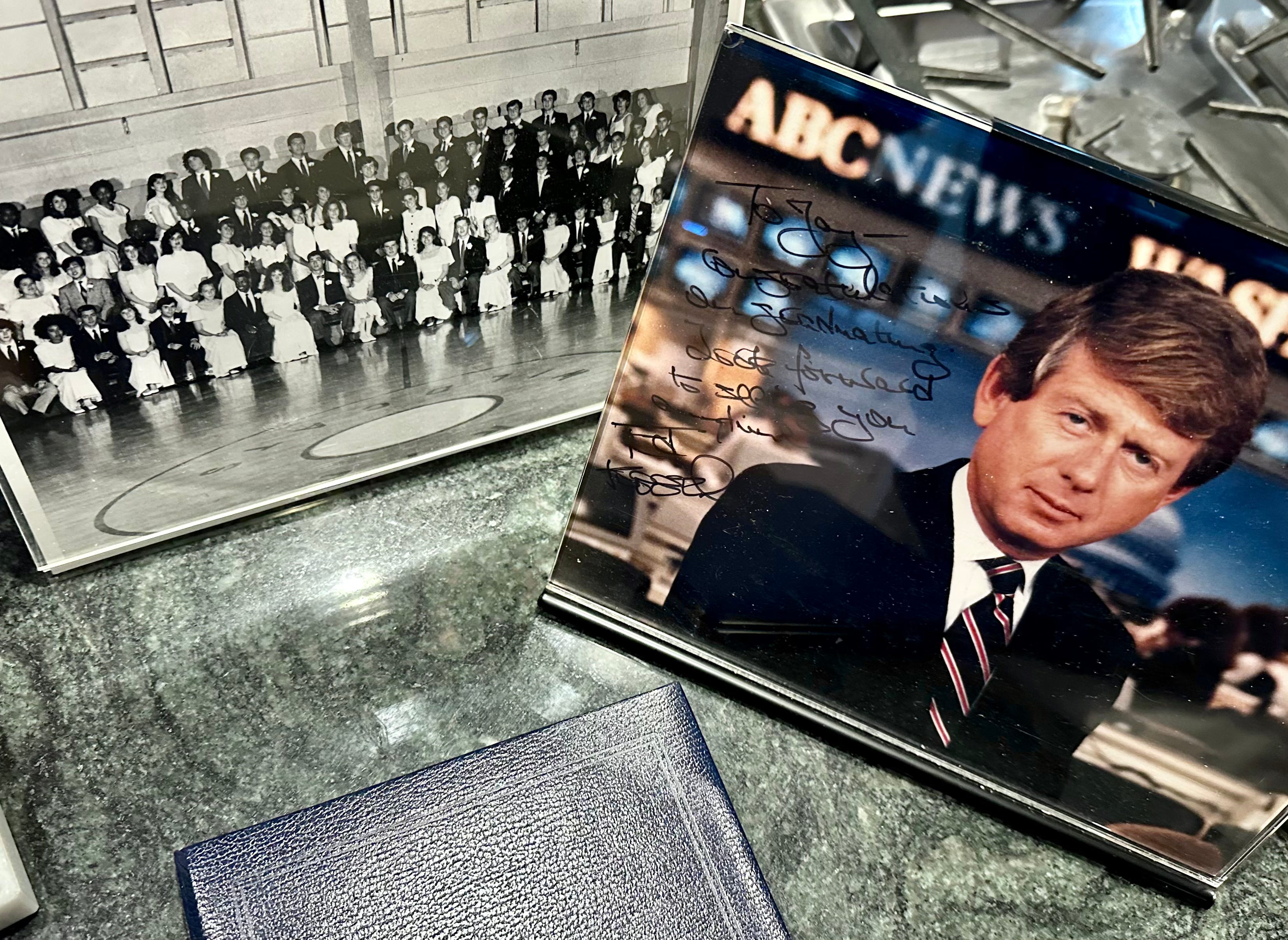
My uncle, I eventually learned, had undertaken an assignment as a correspondent for Nightline, a new show on ABC launched to follow the 11:00pm local news with the latest developments on the hostage crisis in Iran. I watched the show when I could or when my uncle let us know he had a story coming up. Writing and reading became the only things I cared about in school. I wrote some articles for the school paper. And on my high school graduation day, the budding news dork inside of me exploded in joy when I unwrapped my aunt and uncle’s gift: a photo of a severe-looking Ted Koppel at the Nightline anchor desk, signed by the man himself.
Nightline’s hold over me began to loosen a bit when a new show grabbed my attention. 60 Minutes, every Sunday night at 7pm on CBS, got an entire hour to tell its stories. I began watching the show as often as I could. I remember in those quaint days—before the digital revolution changed the way we produce and consume media—being amazed at the breadth of stories week to week on 60 Minutes. Hard hitting investigative pieces that held powerful government and corporate actors to account. In-depth interviews with the important newsmakers of the day. Foreign affairs coverage that broadened Americans’ understanding of our nation’s indispensable role in the post-World War 2 world and how lucky we all were to be living in the U.S. despite its many flaws. Thoughtful profiles of the musicians, actors, painters, comedians, writers and other artists channeling the deep longings that unite us—the things we all feel.
Everyone who has loved 60 Minutes over the years has a favorite journalist who has worked on the program. I greatly admired Mike Wallace’s pitbull ethos in his most contentious interviews on investigative stories, even though I couldn’t imagine being able to summon the same nerve myself. Bob Simon’s reporting around the world, on some of the most dangerous conflicts and war zones, was empathic, gripping, but never sensational.
Any uncertainty about the identity of my favorite correspondent was put to rest on my first trip to New Orleans. I was 19 and a friend attending Tulane invited me down for Mardi Gras. My memories of that weekend are hazy. That’s probably just as well. Here’s what I do remember. My buddy informed me that we would be going to some legendary music venue I’d never heard of, a place called Tipitina’s, to see a performance by the Neville Brothers. He buried the lead on two pieces of pertinent information: the show’s 12:00am start time and the voyage we were all about to go on together. The band didn’t come on exactly at midnight. But when they finally showed up—lord sakes alive! A hot sweaty room of blissed out people exploded in joy to the familiar sound of Hey Pocky A-Way from the stage. Amidst the rapture, my inner news dork couldn’t help but notice the tall gentleman with the shaved head to the side of the stage, banging a cowbell, dancing in a frenzy, the Mardi Gras beads around his neck tussling every which way.
Mr. Ed Bradley himself! In the flesh, jamming with the Nevilles!! I couldn’t believe it.
I left the club with the sun coming up and the conviction that Bradley was my new hero. I loved the grace and care that shone through his stories on the lives and challenges of the most vulnerable in our nation and world. When an interview subject was dissembling across from him, Bradley had a unique ability to level his gaze, crack a slight smirk and express incredulousness—all without being condescending. His profiles of recording artists were the rare exception on television—lengthy, probing, and lacking the simplistic cliches that too often plague mainstream reporting on rock and roll and other American music. His 2004 interview with Bob Dylan is legendary. I never knew Bradley or had the chance to meet him. But I felt the loss acutely when he passed away from blood cancer in 2006.
I’ve continued to follow and admire 60 Minutes in the years since and still believe it’s an important vehicle to hold power to account and provoke discussion about our values as individuals and as a nation and member of the global community. This past week reaffirmed the show’s unique power to deliver these moments. It also offered fresh evidence of changes afoot that could make the show less likely to do so in the future.
Last Saturday evening, a gunman attempted to storm the White House Correspondents’ dinner with President Trump, key cabinet members and the D.C. press corps in attendance. The close call, coming after two previous attempts on the president’s life and taking place at the same hotel as the attempted assassination of Ronald Reagan in 1981, turned the weekend news cycle upside down. Top news organizations went into immediate live coverage Saturday night on air and online. The Sunday morning political talk shows focused almost entirely on the events at the WHCD. Weekend coverage of the story wrapped on 60 Minutes.
The show, as it often does when important news breaks, rearranged its rundown to add a fresh segment at the top—a sit-down interview between correspondent Norah O’Donnell and President Trump less than 24 hours after events at the WHCD.
No one was harmed during the scary events at the WHCD on Saturday. The gunman never got close to the ballroom where the dinner was taking place, and the president, the vice president, cabinet secretaries, White House staffers and media in attendance were all able to evacuate the premises safely.
Trump was mostly subdued during the 60 Minutes interview until O’Donnell asked him about the following words in the assailant’s “manifesto.”
“And I am no longer willing to permit a pedophile, rapist, and traitor to coat my hands with his crimes.”
Trump immediately lashed out at O’Donnell calling her a “disgrace” multiple times for asking the question.
Media critics can debate the appropriateness of the question or whether the new brain trust at CBS News was privately thrilled with the digital media impressions and clicks that were invariably produced by the combative exchange.
The interview continued on, uneventfully, for another 4 minutes.
After a commercial break, correspondent Scott Pelley appeared on the screen to introduce show’s next segment—an interview with former Republican Senator from Nebraska, Ben Sasse, who is dying from pancreatic cancer.
Watching the pairing of the Trump and Sasse interviews back-to-back was riveting television at a time of deep division in America.
President Trump, in possession of the single largest megaphone of any person in the world, flashed the arrogance and cruelty that embodies his administration’s approach to politics, public life and America’s role in the world.
Sasse, never a member of the MAGA tribe, was one of only seven GOP senators to vote to convict Trump in his second impeachment trial after January 6th.
Since his terminal diagnosis in December, Sasse has been using his final months to wrestle—in an extraordinarily open and courageous way—with the existential questions he’s now facing and the role faith, family and friends are playing in his last journey.
Sasse jokes with his interviewers.
He pokes fun at the self-important, performative and disingenuous behavior of politicians in Washington.
He laughs easily at himself.
He runs towards—not away from—his own imminent mortality and radiates love and gratitude in the process.
His 60 Minutes interview, coming as it did after the segment with the president, was a gift given in real time to each of us individually, regardless of our own politics, belief systems, spiritual dispositions and other differences.
It was also an invitation to the country as a whole to reconsider the values now guiding participation and personal conduct in politics and public life.
That it came on 60 Minutes was appropriate and timely.
A few days before the attempted assassination at the WHCD, Trump and top cabinet members and advisors had a private party and dinner with key CBS News executives and Paramount Skydance head David Ellison, according to reporting by Puck’s Dylan Byers.
Byers reports that long-planned changes to 60 Minutes, including layoffs, more digital programming and possible franchising beyond the Sunday evening time slot, will commence after the program’s current season ends on May 17th.
This past Sunday’s show served as a powerful reminder of the unique role 60 Minutes has played in the larger debate over the type of values America ought to stand for.
Its continued ability to do so will depend on what sort of program emerges when Season 59 of 60 Minutes begins later this year.
Thanks Rik!
This is such a great piece. Thank you, Jay. I can't think of a more compelling mission statement. It also just happens to capture the metamorphosis of our media environment over the last fifty years beautifully. Thanks again.